
Payment Gateway vs Payment Processor vs Acquirer (Simple Business Guide)

Garry
April 9, 2026
1
minutes
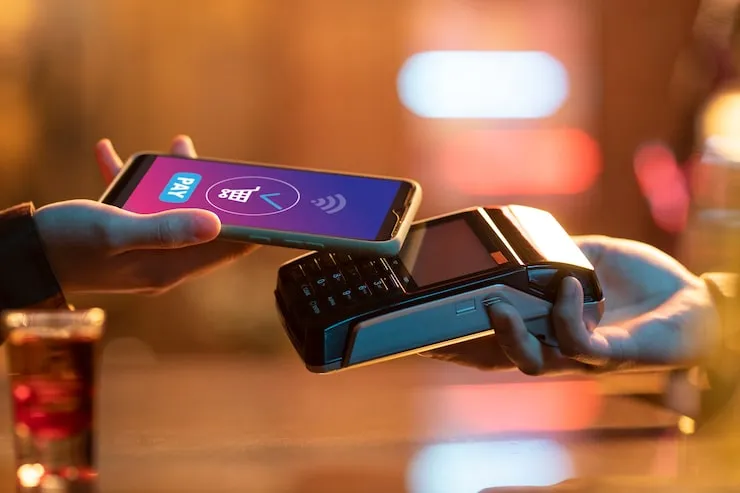

If you accept payments digitally, you are already using a payment gateway. It is a payment gateway, a payment processor, and an acquiring bank- even if you do not see them. Many ventures think these are the same thing, but the truth is not. Each of them plays a crucial and different role in the payment processing system, and understanding the difference helps businesses choose the right online payment solution. . For many businesses researching payment gateway vs payment processor differences, understanding these roles is the first step toward building an efficient payment infrastructure.
This becomes even more important when companies start handling cross-border transactions and selling to international customers. The wrong payment setup can cause failed transactions, high fees, and delayed settlements.
In this post, we will walk you through a complete payment gateway vs processor vs acquirer comparison, how each one works, and how businesses can choose the right setup. By the end, you will have gateway processor and acquirer explained in plain terms, along with a simple merchant acquirer example you can apply to your own business.
Trying to Simplify Your International Payments?
If your payment setup is starting to feel complicated as you expand, it might be time to rethink how everything is structured. The right approach can reduce costs, improve speed, and give you better control across currencies.

Understanding Online Payment Systems for Businesses
Online payments look simple on the surface, but in reality, multiple financial institutions and technologies work together to complete a single transaction. When a customer pays on a website, the payment does not go directly to the business's bank account. The payment first goes through a gateway, then a processor, then an acquiring bank, and finally settles into the merchant account.
This complete structure is called a payment processing system. Businesses that understand this system can reduce payment failures, improve approval rates, and choose better e-commerce payment methods for their customers. This is especially important for companies that operate internationally and need global payment solutions that work in multiple countries. Knowing the payment gateway vs payment processor differences upfront, along with how the acquirer fits into the picture, makes the whole system much easier to manage.
Importance of Payment Systems
An accurate, streamlined system ensures payments are processed smoothly and securely. Even if a single part of the system is misconfigured, transactions may fail or be delayed.
- Businesses Accepting Online Payments: Any business that accepts card payments, digital wallets, or online bank transfers needs a gateway, processor, and acquirer working together.
- International Payment Challenges: It involves currency conversion, local banking rules, and higher fraud checks, which make the system more complex.
- Role of Payment Partners: Payment providers, acquiring banks, and processors help businesses manage risk, compliance, and settlement.
Quick Comparison of Gateway Processor Acquirer
Before we go into the in-depth details of these three, let us look at a quick comparison. Many businesses confuse these three because they work together in the background. But their responsibilities are different, and knowing the payment gateway vs payment processor differences, as well as how the acquirer fits in, helps businesses build a better payment structure.
Key Role Differences
Each part has a different job in the payment flow. They work together but do different tasks, which is exactly what this gateway processor and acquirer explained breakdown is meant to clarify.
- Who Handles Transactions: The processor sends transaction data between the issuing bank and acquiring bank through card networks like Visa or Mastercard.
- Who Holds Funds: The acquiring bank, or merchant acquirer, holds the merchant account and settles funds.
- Integration Responsibility: Businesses usually integrate the gateway and processor, while the acquiring bank provides the merchant account through an agreement.
What Is a Payment Gateway
A payment gateway is the initial step in a digital transaction. It acts like a secure bridge between the customer and the payment system. When a customer enters card details on a web portal, the gateway encrypts the information and sends it to the processor.
Today, the majority of online payment solutions use a gateway to protect customer data and prevent fraud. Without a gateway, ventures cannot securely accept card payments online. Understanding the payment gateway for acquirers relationship matters here too, since the gateway is what feeds clean, encrypted transaction data downstream to the processor and, eventually, the acquiring bank.
- Gateway Role Explained: The gateway collects and encrypts customer payment details. It acts as a secure bridge between the consumer and the payment processor.
- Data Encryption Process: It protects sensitive card information before sending it forward. Advanced encryption standards make sure that data remains unreadable to unauthorized parties.
- Checkout Authorization Flow: It sends transaction details to the processor for approval.
- Gateway Business Use: Gateways are used in websites, apps, and e-commerce stores. They enable the ventures to accept the virtual transaction seamlessly across multiple platforms.
What Is a Payment Processor
A payment processor is the company or system that handles the transaction data between banks. If you have ever wondered what is a payment processor, payment processor explained simply, it is the technology that moves transaction information between payment networks and financial institutions to complete a payment.
It sends the payment request from the gateway to the card network and then to the issuing bank. After the bank approves or declines the transaction, the processor sends the response back to the gateway. This is the core part of the payment processing system.
When a transaction is approved, the processor sends the confirmation back to the gateway, and the payment is completed. This is where the payment processor vs payment gateway relationship becomes clear: the gateway captures and secures the data, while the processor moves it and gets it approved.
- Processor Role Explained: The processor handles communication between banks. It ensures the transaction data flows smoothly among all involved parties.
- Transaction Routing Process: It routes payment data through card networks. This involves directing the request to the appropriate network, such as Visa or Mastercard.
- Communication with Banks: It connects the issuing and acquiring banks. It facilitates approval or rejection messages based on available payments and security checks.
- Processor Business Use: Processors are required for all card payments. They enable merchants to securely accept and settle transactions in real time.
With the processor’s role now clear, payment processor explained in full, it becomes easier to see how a merchant acquirer example fits at the very end of the same transaction chain: the processor gets the payment approved, and the acquirer is who actually banks the money.
Most online businesses rely on gateways for secure transactions. If you are comparing options, this guide can help:
Best Payment Gateway for Ecommerce: Top Solutions for Your Online Store
What Is an Acquiring Bank
An acquiring bank, also called an acquirer or merchant acquirer, is the bank that receives the money on behalf of the business. For businesses asking what is a payment acquirer, it is the financial institution responsible for accepting and settling card payments into a merchant account.
It gives the merchant account where the funds are settled after a transaction is approved. If you want to accept card payments, you need an acquiring bank, as this is where the funds are deposited after settlement. A simple merchant acquirer example is a bank that partners with an online retailer to accept Visa and Mastercard payments, then deposits the settled funds into the retailer’s business account.
- Acquirer Role Explained: The acquirer receives and settles funds. This processes payments on behalf of the merchant.
- Merchant Account Function: It provides a merchant account to businesses. Understanding payment processor vs merchant account differences is important because the processor handles transaction communication, while the merchant account temporarily holds settled funds before they are transferred to the business bank account. This account holds the customer funds they use while transaction before settlement.
- Fund Settlement Process: It settles approved payments into the account. After this, funds are transferred to the business’s bank account within a few days.
- Acquirer Business Importance: Without an acquirer, businesses cannot receive card payments. It is crucial for enabling ventures to accept and manage electronic transactions safely.
How Payment Flow Works Step-by-Step
To understand the payment gateway vs processor vs acquirer difference, you must understand how a payment moves from the customer to the business. The payment flow includes multiple steps and different financial institutions.
Payment Infrastructure Checklist for Businesses
When businesses start accepting international payments, they must set up their system the right way. A weak setup can lead to failed payments, fraud, and delays in receiving money.
On the contrary, a strong payment structure helps businesses accept payments smoothly, support different currencies, and avoid errors. This is especially crucial for companies using global payment systems.
Businesses that want to build a stable payment setup working with FirmEU is the finest option. We support international growth and avoid common mistakes. Having gateway processor and acquirer explained clearly, alongside a good payment gateway for acquirers setup, makes each checklist item below far easier to work through.
- Gateway Setup Checklist
A payment gateway must be secure and reliable. It should safeguard customer data and support smooth checkout. Businesses should make sure the gateway supports encryption, fraud tools, and multiple payment methods. This helps improve trust and reduce failed payments.
- Processor Selection Checklist
The payment processor must support your business type and transaction needs. Finding the best payment processor for merchants depends on factors such as supported countries, currencies, transaction volume, and industry requirements. A wrong processor can cause payment declines. Always check supported countries, currencies, and fees. A good processor improves approval rates and keeps transactions smooth.
- Acquirer Setup Checklist
The acquiring bank must support your business location and customers. Not all banks support international businesses. You need to check settlement time, supported regions, and chargeback handling. A strong acquirer ensures you receive payments on time. Choosing the right payment gateway for acquirers setup at this stage also makes it easier to keep transaction data consistent across your whole payment stack.
- Cross-Border Checklist
If you accept international payments, your system must support multiple currencies and global cards. You should also support local payment methods in different countries. Many businesses use FirmEU to build systems that handle cross-border payments correctly.
- Risk Management Checklist
Every business must manage fraud and chargebacks. Without proper tools, businesses can lose money. For this, they can use fraud detection systems and secure payment methods like 3D Secure. This helps protect your revenue and reduce risks.
- Scaling Payment Checklist
As your business grows, your payment system must handle more transactions. A weak system can fail under high volume. Make sure your setup supports growth, new markets, and multiple currencies. This helps your business scale smoothly.
Also checkout- Multi-Currency vs Local Accounts: Best Choice for Global Expansion
Choosing the Right Setup for Your Business
Every business needs a different payment setup. The right structure relies on your business type, customers, and growth plans. Opting for the wrong setup can increase costs and reduce payment success rates. Many companies work with FirmEU to choose the right payment partners. Whether you are comparing payment gateway vs payment processor options or evaluating acquiring banks, choosing the right combination can improve approval rates and reduce operational costs.
- Small Business Setup
Small businesses need a simple and easy payment setup. Most use all-in-one providers. This works well for low volume and local customers. It is quick to set up and easy to manage.
- E-commerce Business Setup
eCommerce businesses need both a gateway and a processor. They must support cards and online payments. A strong setup reduces cart abandonment and improves payment success.
- SaaS Business Setup
SaaS businesses need recurring payment systems. This supports subscriptions and automated billing. They also need processors that handle global payments and recurring charges.
- International Business Setup
International businesses need advanced payment systems. These include multiple currencies and local payment methods. Many companies rely on FirmEU to build global setups that improve approval rates.
- High Risk Business Setup
High-risk businesses need special processors and banks. Not all providers support them. They also need strong fraud control to reduce chargebacks and payment issues.
Cross-Border Payments and Global Solutions
Cross-border payments are more complex than local payments. Businesses must handle currencies, banking rules, and fraud risks. To succeed globally, businesses need global payment solutions for international businesses that support different markets.
- Challenges of International Payments
Countries have different regulations and banking laws. This affects the processing of cross-border payments. Businesspeople should familiarize themselves with such challenges before venturing abroad.
- Multi-Currency Processing
Clients prefer making payments in their currency. This enhances customer confidence and conversion rates. Multi-currency processing is an essential component of successful business expansion into other countries.
- Payment Methods Across Countries
Every country uses different payment methods. Relying on card payments may limit business opportunities. Integrating different payment systems helps reach more people.
- Cross-Border Payment Risks
Cross-border payments increase risk exposure. These risks include fraud and chargebacks. Businesses need security measures to minimize losses.
How FirmEU Helps Global Businesses
Selecting the trusted payment setup is not easy, especially for international businesses. Many companies struggle to find the right gateway, processor, and acquiring bank.
FirmEU helps businesses connect with trusted payment providers and banks that support global operations. They help build strong payment systems that work across countries.
With FirmEU, businesses can improve payment success, reduce failures, and expand into new markets with confidence.
Final Thoughts
In the end, the real benefit does not come from justaccepting payments but from how correctly your payment system supports yourventure as it grows. A well-structured setup, backed by a clear paymentgateway vs processor vs acquirer understanding, helps you stay prepared fornew markets, changing compliance, and evolving customer expectations withoutconstant disruption.
Instead of fixing issues later, businesses that plan their payment structure early operate with more stability and confidence. Partnering with FirmEU allows you to build a system that is functional today and also ready to support long-term international expansion.
Still Facing Challenges with International Payments?
As your business grows across borders, payment systems can become harder to manage. A better structure can help you avoid delays, reduce costs, and handle global transactions more smoothly.


FAQs
What is the main difference between a payment gateway vs payment processor setup?
A payment gateway collects and encrypts customer payment details, while a payment processor sends that data between banks and card networks to complete the transaction. Both are required for online payments, but they perform different roles.
Do I need an acquiring bank to accept payments, and what is a payment acquirer?
Yes, an acquiring bank, or merchant acquirer, is essential because it provides the merchant account where your funds are settled. Without it, you cannot receive card payments.
Can one provider offer gateway, processor, and acquiring services together?
Yes, many modern payment providers offer all-in-one solutions. These are convenient for small businesses, but larger or international businesses often prefer separate providers for more flexibility and better optimization.
Why do international payments fail more often?
Cross-border transactions involve currency conversion, stricter fraud checks, and different banking regulations. These factors increase the chances of payment declines if the system is not properly configured.
What should I look for in the best payment processor for merchants?
You should check supported countries, currencies, transaction fees, approval rates, and whether the processor supports your business model. When comparing the best payment processor for merchants, businesses should also consider fraud prevention tools, settlement speed, and international payment support.
No. FirmEU is not a bank or financial institution. We operate as an independent matchmaking platform, connecting businesses with verified financial partners. All onboarding, KYC, and approval decisions are handled directly by the financial institution.
Still Have Questions?
Our sales team would be more than happy to assist with any futher inquiries



Contact Us

International Payment Solutions
Find the Right Banking and Payment Processing Partner for Your Business
Tell us about your company, and we’ll match you with the most suitable global banking or payment providers from our verified network.
Get Matched