
How to Set Up a Merchant Account for an Online Business?

Garry
October 26, 2026
1
minutes
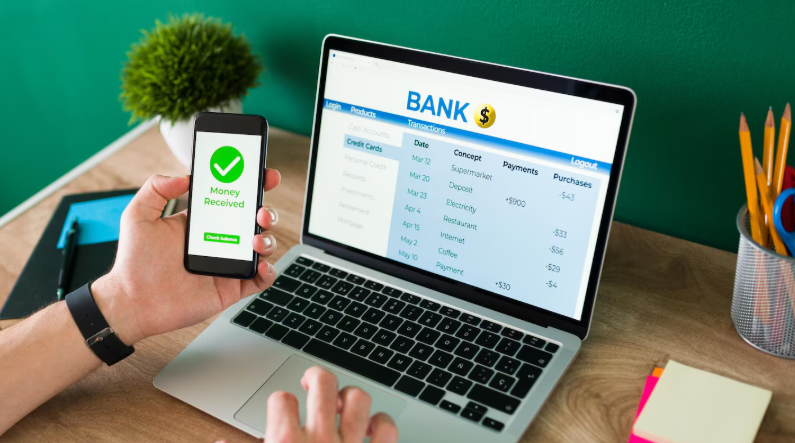

For businesses operating online, accepting online payments is a key part of running a successful business. Whether you sell physical products, offer digital services, manage subscriptions, or operate across multiple markets, your business needs a merchant account that allows customers to pay securely and helps you receive funds efficiently.
Setting up a merchant account enables businesses to accept card payments through a merchant acquiring and payment processing arrangement. Based on the provider, you may open a dedicated merchant account or use a payment service that combines merchant acquiring, payment processing, and gateway functionality.
However, there are multiple things you need to consider when choosing the right merchant account partner. As an entrepreneur, you need to consider your business location, target markets, payment methods, currencies, transaction volumes, and industry requirements.
This post will discuss how to set up a merchant account, the application process, required documents, potential costs, and factors to consider when choosing a payment solution for your online business.
Who Needs a Merchant Account for an Online Business?
Online businesses that accept card payments online need a merchant account or an equivalent payment processing arrangement. Common examples of online businesses who needs a merchant account include
- Ecommerce businesses
- SaaS companies
- Digital service providers
- Online marketplaces
- Travel and booking companies
- International businesses
Every online business has different payment requirements. For a business operating locally need a merchant account where payments are accepted securely. An online business operating internationally may require multi-currency processing, cross-border acquiring, and access to local payment methods through suitable cross-border payment solutions.
On the other hand, businesses with larger transaction volumes or more complex payment flows may also benefit from a more tailored acquiring arrangement.
Steps to Set Up a Merchant Account For Online Businesses
For online businesses, opening a merchant account requires preparation, provider selection, business verification, and payment integration. Businesses can follow these steps to open a merchant account that fits their business operations.
Step 1: Understand Your Business Payment Requirements
Before approaching a merchant account provider, understand your business payment needs and how your business plans to accept payments. You can start by identifying:
- The countries where your company is registered and operates
- The markets where your customers are located
- The products or services you sell
- Your expected monthly transaction volume
- Your average transaction value
- The currencies you need to accept and settle
- The payment methods your customers prefer
- Whether you need recurring billing or subscription payments
Keep in mind that a solution that supports your current sales may not be suitable if you expand your business or there is an increase in transaction volumes. Having these details ready makes it easier to compare providers and identify solutions that match your requirements.
Step 2: Prepare Business Documents
For the merchant account provider, it is usually necessary to establish that the business being operated is a legally registered business.
Based upon your jurisdiction and structure of your business, you will have to prepare documents related to the registration of your business, registered office, ownership of your business, director information, and identification of your business.
The information provided by your business must be consistent in all your applications, company records, website, and banking transactions. If your business is registered in one country but operates in other countries, then this aspect needs to be mentioned as well.
Step 3: Arrange a Suitable Business Bank Account
Your merchant acquiring agreement usually requires you to have an eligible business bank account for settlement transactions. Make sure your business bank account is qualified before opening a merchant account.
- Whether the account is held in the correct business name
- Whether the provider accepts the bank and account location
- Which settlement currencies are supported
- Whether international transfers are available
- What currency conversion costs may apply
- Whether additional bank verification is required
For international, a payment provider may support your business’s country of registration but have restrictions on settlement accounts or supported currencies. Choose a suitable payment provider that helps ensure that payment processing and fund settlement work together.
Step 4: Find a Suitable Merchant Acquiring Provider
Choosing a provider is one of the most important decisions for online businesses in the process. Different acquiring banks and payment providers have different geographic coverage, industry policies, pricing structures, and technical capabilities. Businesses entering multiple markets should also evaluate suitable global payment solutions. Instead of choosing a payment provider based only on advertised rates, evaluate how well the provider fits your business.
- Geographic coverage
- Payment methods
- Multi-currency capabilities
- Pricing
- Integration
- Settlement arrangements
- Industry eligibility
FirmEU helps businesses explore suitable banking and payment partners based on their operating markets, industry, and payment requirements.
Step 5: Complete the Merchant Account Application Online
After selecting the right payment provider, you can start the merchant account application process. Most payment providers allow businesses to apply online, although some may require additional discussion or documentation. A typical merchant account application process may need:
- Company registration documents
- Business address and contact information
- Director and beneficial owner details
- Identification documents
- Tax identification information
- Business bank account details
- Description of your products or services
- Expected monthly processing volume
- Average transaction value
- Target customer markets
- Previous processing history, where available
Complete the application accurately and provide realistic transaction estimates. If your business already processes payments, previous processing statements may help demonstrate your transaction history and payment performance.
Step 6: Complete Verification and Underwriting
After receiving your application, the provider will assess whether your business meets its requirements. This process is commonly referred to as underwriting. The review may consider the legitimacy of your business, ownership structure, financial position, transaction patterns, refund practices, and potential exposure to fraud or chargebacks.
Approval times vary by provider and application complexity. Some applications receive decisions quickly, while others require further verification. Businesses with international ownership, complex operating structures, higher transaction volumes, or elevated payment risks may require more extensive underwriting.
Step 7: Review the Commercial Terms
Before accepting and opening a merchant bank account, review the agreement carefully. Read and evaluate the full pricing structure, settlement schedule, contract duration, termination conditions, and the provider’s policies for refunds and chargebacks.
You should also understand whether the provider may impose transaction limits, rolling reserves, or other restrictions based on your business profile. Do not compare providers on transaction fees alone. Consider the total cost of processing, access to relevant markets, settlement conditions, integration requirements, and the level of support available.
Document Required For Opening a Merchant Bank Account
The documents required for opening a merchant bank account may vary based on business type and payment needs. That’s why ask the payment provider for its document checklist before submitting your merchant account application. International businesses may need additional corporate records, ownership documentation, or evidence of operations.
Can International Businesses Open a Merchant Account?
Any business can open a merchant account provided they meet the relevant provider’s eligibility requirements. However, international applications may involve additional considerations, including:
- Country of incorporation and operating locations
- Business ownership and corporate structure
- Customer locations and cross-border transaction patterns
- Supported processing and settlement currencies
- Bank account eligibility
- Local regulatory or licensing requirements
A company registered in one country may not automatically qualify for every provider available in another country. Eligibility depends on the provider’s policies and the business’s specific circumstances.
International companies should compare providers based on their geographic coverage, cross-border acquiring capabilities, settlement arrangements, and overall commercial terms. Choosing a payment partner that understands your operating markets can help you establish a payment setup that supports international sales without unnecessary complexity.
Can High-Risk Businesses Get a Merchant Account?
There are some service providers who specifically focus on offering high-risk payment processing services to businesses falling under the category of high-risk ones. The reason behind such requirements could be that the business has higher risks involved in terms of chargebacks, regulation complexities, refunds, or any other aspect of products/services offered.
The categories that could come under such high-risk business include those involved in travel, subscriptions, some digital fields, among others.
This fact does not make it impossible for the business to get payment services, but it may impact the list of service providers, pricing, settlement terms, and reserves.
FirmEU helps businesses explore payment partner options based on their industry and operational requirements, including cases where standard payment solutions may not be suitable.
Conclusion
Setting up a merchant account involves understanding your payment requirements, preparing business documents, comparing providers, completing verification, and integrating the approved solution with your website.
For online businesses, the right payment arrangement should do more than enable card acceptance. It should support your target markets, preferred currencies, transaction volumes, industry requirements, and future expansion plans.
International companies and businesses with specialised payment needs should pay particular attention to provider eligibility, cross-border processing, settlement arrangements, and the full cost of acceptance.
FirmEU helps businesses explore suitable banking and payment partners based on their industry, operating markets, and payment requirements. Whether you need online merchant account opening, international payment acceptance, or a more specialised acquiring arrangement, finding the right partner starts with understanding your business.



FAQs
1. How do I open a merchant account online?
In order to obtain a merchant account online, you will have to prepare all the necessary information about your firm, your firm’s bank account information, your website policies, and the necessary documents. Next, select a service provider who supports your business as well as its markets.
2. How long does merchant account approval take?
The process of approval may vary between a few days and even several weeks, depending on many factors, such as the provider of the funding, the model of the business, the required documentation, as well as the underwriting process.
3. Can I get a merchant account for an international business?
Yes, some providers serve international companies, but it will depend on the country in which it is incorporated, the type of ownership, the countries in which its customers exist, the settlement methods, and the type of industry it belongs to. Compare providers on the basis of geographical coverage, currency supported, and cross border payments.
4. What is the difference between a merchant account and a business bank account?
The merchant account is a facility that helps in card processing and settlement via acquiring. The company bank account acts as the store for the company's money and facilitates routine banking transactions. This depends on your service provider since you will need both accounts in certain circumstances.
5. How can I find a merchant account provider for a high-risk business?
Select a provider who clearly caters to your industry and method of transactions. Organize all your documents relating to your business, transaction history, refund policies, and nature of the transaction you expect to carry out.
No. FirmEU is not a bank or financial institution. We operate as an independent matchmaking platform, connecting businesses with verified financial partners. All onboarding, KYC, and approval decisions are handled directly by the financial institution.
Still Have Questions?
Our sales team would be more than happy to assist with any futher inquiries



Contact Us

International Payment Solutions
Find the Right Banking and Payment Processing Partner for Your Business
Tell us about your company, and we’ll match you with the most suitable global banking or payment providers from our verified network.
Get Matched