
How To Increase Payment Authorization Rates For High-Risk Businesses

Garry
August 19, 2026
1
minutes
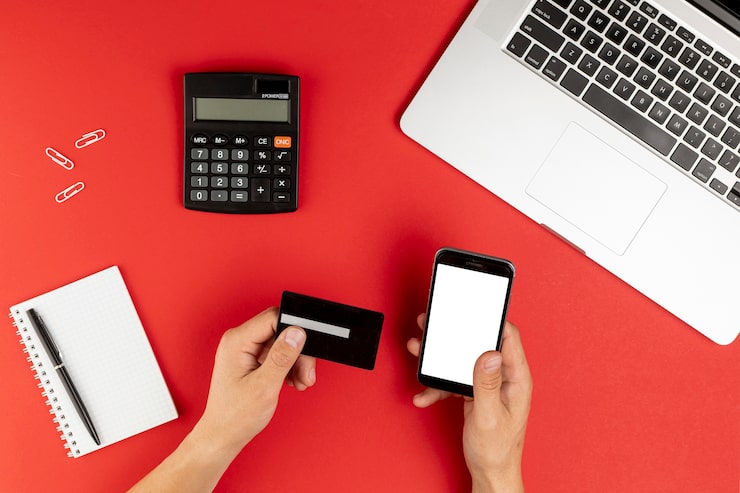

Why do some payments fail even when the customer has enough money?
For high-risk businesses, this happens more often than many owners expect. Banks, card networks, and payment processors review each transaction before approval. If the transaction looks risky, unusual, unclear, or unsupported, the issuer may decline it within seconds.
That hurts revenue. It also frustrates customers who were ready to pay. In the middle of this process, high-risk businesses' payment authorization becomes a serious growth issue. A company may spend money on ads, bring users to checkout, and still lose them because the payment doesn’t pass issuer review.
The good news? Authorization rates are not fixed forever. With better payment setup, stronger account records, clearer customer data, and the right banking structure, high-risk merchants can reduce avoidable declines.
FirmEU supports businesses in preparing cleaner payment profiles and approaching suitable payment partners with stronger account information.
Are payment declines holding back your growth?
Before changing your checkout or adding more fraud filters, review whether your banking and payment setup actually fits your business.

What Payment Authorization Means
Payment authorization is the approval step that happens when a customer tries to pay by card or another digital method. The payment processor sends the transaction request to the customer’s bank. The bank then decides whether to approve or decline it. Having an appropriate business banking setup is also important for merchants building a reliable financial structure around their payment operations.
Simple, right? Not always.
The bank checks various things at once. It looks at the card status, available balance, fraud risk, merchant category, transaction amount, location, and past customer behavior. If something feels off, the bank can reject the payment.
In the case of typical companies, everything will go well. In the case of high-risk companies, the banks will take more precautions while approving or rejecting transactions since the business type itself has more risks.
That is why Payment Authorization Rates matter so much. A small increase in approvals can create a clear revenue lift without adding more traffic.
Why High-Risk Merchants Face More Declines
High-risk businesses face more payment blocks because banks expect more possible loss. This does not mean the business is doing anything wrong. It means the industry or payment pattern makes issuers more careful.
- Industry Risk
There are industries that automatically demand closer scrutiny. High-risk industries include adult entertainment, betting, cryptocurrency, CBD, travel, subscription services, forex, dating websites, etc.
The financial institution is afraid of refunds, chargebacks, disputes, confusion in billing, and legal barriers. Thus, the bank rejects transactions in advance to avoid the high level of risk.
- Transaction Pattern Risk
The transaction itself can become risky, as well. Sudden large payments, international transfers, repeated transactions, and changes in the billing country can make the system alarmed. For businesses serving customers across multiple markets, having a clear strategy for how to accept payments globally can also help manage different payment routes and customer locations.
For high-risk merchants, authorization challenges, the problem often sit in the full payment picture. The issuer does not only review the customer. It also reviews the merchant, region, payment type, and risk signal.
FirmEU assists high-risk merchants with organizing all merchant accounts, transaction details, and business data for better assessment of the risk factor.
Common Reasons Payments Get Declined
Many declined payments come from preventable issues. Some are customer-side problems, but many relate to merchant setup.
- Weak Billing Details
If the client uses incorrect card information, billing address, or a wrong security code, the transaction will be denied by the issuing bank. Although it seems obvious, this reason results in a high number of failures. High-risk businesses should try to keep checkout forms easy and understandable. This will minimize errors.
- Poor Descriptor Recognition
If the client does not recognize the billing name, he or she will dispute the transaction afterwards. It is clear that banks understand this. The confusion of the descriptor leads to the reluctance of issuers, especially when dealing with sensitive industries. The billing name should be identical to the business name visible to customers.
- Unsupported Regions
Some payment providers do not support all markets.If a merchant accepts customers from regions outside the provider’s comfort zone, approval rates may drop. This can be particularly important for online merchants that rely on e-commerce payment processing across multiple customer markets. This is common in high-risk sectors. A provider may allow one country but reject another.
- Processor Mismatch
Not every processor understands high-risk industries. A weak match can create unnecessary declines, account reviews, or payout issues. This is where FirmEU helps businesses review their payment setup and prepare stronger profiles before approaching suitable banking or payment partners.
Improving Checkout Quality
Checkout design affects authorization more than many merchants think. A messy checkout creates errors, and errors create declines. For businesses serving customers in different markets, multi-currency payment processing can also help create a more suitable payment experience.
- Make Forms Simple
Ask for information that is required to facilitate the transaction. Lengthy forms contribute to higher errors during data entry. In fact, customers will provide incorrect billing address, card details, or the postal code. This little error will make the transaction impossible.
- Provide Payment Guidelines
Instruct customers about the supported payment methods. Mention the additional verification if it can come up after checkout. The customer is prepared and will perform the action.
To Increase Payment Authorization, you need clarity. The customer who knows what to expect is less likely to drop the transaction during the process.
- Use Familiar Names for Billing
Do not make the billing name confusing for the customer. If there is a difference between the trading name and the statement name, customers will panic and dispute payments in the future. A clean billing descriptor will also help to establish trust with processors and banks.
Strengthening Fraud Controls
High-risk merchants need fraud checks, but heavy filters can reject good customers too. The goal is balance.
- Use Risk-Based Rules
The company must not reject all somewhat unusual transactions. It needs to set rules based on real risks. For instance, new customers making an order from a risky area may require special attention. Returning customers with typical actions don't necessarily need such scrutiny.
- Use 3D Secure Wisely.
Using 3D Secure can increase security measures and change liability. However, it can also create extra friction for transactions, and some customers will stop using the website.
It is better to use the service selectively. It is important to apply more rigorous checks for riskier transactions.
- Control Chargebacks
A high chargeback rate leads to loss of trust with the payment systems. If there are many disputes between merchants and consumers, it will negatively affect the authorizations. Good customer service, strict policy regarding refunds, and good transaction history are useful in this case.
FirmEU helps merchants present cleaner risk controls and business records, which can support better conversations with payment partners.
Improving Merchant Account Setup
The merchant account must match the business model. If the account is unclear or misclassified, authorization rates can suffer.
- Use the Right Business Category
It is crucial for payment providers to understand the type of activity performed by the business. Faking a riskier business model under a more secure one will likely result in an account freeze and blocked payments. It might be considered a convenient solution, but that is wrong. With a transparent business structure, the chances of a transaction passing through are higher.
- Keep Documents Updated
Licenses, business documents, transactional history, refund policy, and terms of use on your website must be kept up to date. Inadequate documents can portray a merchant as an unreliable player. Well-documented businesses receive high-risk merchant approval rates more often than not.
- Match Volume With Reality
Do not apply with low expected volume if you plan to scale fast. Sudden spikes can trigger reviews and payment holds. Be honest about expected growth.
FirmEU helps businesses prepare account profiles that show business activity, risk controls, and payment needs more clearly.
Better Routing Can Reduce Failed Payments
Sometimes the issue is not the customer or the card. It is the route. Some merchants use payment cascading to provide additional routing options when a transaction cannot be completed through the initial payment route.
- Use Suitable Acquirers
A high-risk company should choose an acquirer who knows the industry well. The business will face rejections if the acquirer is not tolerant of the merchant’s industry. Choosing better partners will increase the probability of getting better approvals.
- Avoid One-Route Dependence
Using only one payment route may cause trouble. An acquirer may get strict about control or even go down. This way, a business gets fewer approvals. Some companies use different routes in order to protect performance. It has to be done properly.
- Track Decline Reasons
A merchant should look through the rejection codes regularly. There are many reasons why declines happen. It may happen because of a lack of balance, fraud filter, issuer, region limit, or technical reasons. Otherwise, a business tries to guess. With monitoring, a company sees the actual problem.
Why Customer Trust Helps Authorization
Authorization is technical, but trust still matters. Customers who trust the business enter details correctly, complete verification steps, and contact support before filing disputes.
- Clear Website Information
The website needs to be clear about pricing, refunds, shipping, support, and company information. If the website seems confusing, both the customer and the processor will worry.
- Fast Support
When a customer has a billing problem, fast help can prevent a chargeback. The bank keeps track of disputes over time.
- Transparent Refund Rules
Confusing refund terms create angry customers. Clear rules reduce disputes and protect the merchant account. For high-risk businesses, trust is not just branding. It protects payment performance. High-risk companies need trust, but it is also their protection from payment issues.
How FirmEU Helps High-Risk Businesses
High-risk payment problems often start before the first transaction. The business may choose the wrong provider, submit weak documents, or accept terms that do not fit its risk profile.
FirmEU helps high-risk businesses prepare for payment and banking discussions with better structure.
- Cleaner Payment Profiles
FirmEU assists companies in organizing company documents, payment requirements, processing history, and account details. Having a clean profile may help with the reviewing process on the part of the provider.
- Better Partner Fit
High-risk merchants cannot choose any random providers. They need providers who understand the industry, region, and payment method.
FirmEU assists merchants in organizing the application process so that they do not waste time on the incorrect way.
- Stronger Account Readiness
Merchants should be aware of their risks before applying. This means the number of chargebacks, refund policy, acceptable regions, volume of payments, and settlement needs. FirmEU helps prepare this information so the business looks more stable during review.
Conclusion
To conclude, enhancing payment authorization rates isn’t only about fixing checkout mistakes. Companies that fall into the category of high risk should have better account setups, better clean data on customers, more effective fraud controls, the right acquiring channels, and better tracking of payments.
For merchants facing high-risk merchants authorization challenges, small improvements can protect major revenue. FirmEU assists companies in creating a better profile of their payments, preparing all the necessary banking documents, and dealing with payment providers.


FAQs
What are payment authorization rates?
Payment authorization rates are the ratio of authorized payments among all attempts to receive payment approval from a customer’s issuing bank.
Why do high-risk businesses have higher decline rates?
Higher decline rates are expected from high-risk merchants since banks assume the presence of elevated fraud, chargebacks, refunds, or compliance risks in some sectors and transactions.
What can be done by the merchant to increase payment authorization rates?
Payment authorization rates can be improved through appropriate billing, fraud prevention, payment routing, documentation, and cooperation with payment partners who know the specific industry.
What factors determine high-risk merchant approval rates?
High-risk merchant approval rates are influenced by industry category, chargeback history, business documents, transaction volume, risk management, and risk tolerance of the payment partner.
How can FirmEU help high-risk merchants?
FirmEU can help high-risk merchants to prepare payment profiles, arrange business documents, analyze risk aspects, and contact appropriate payment partners with better data.
No. FirmEU is not a bank or financial institution. We operate as an independent matchmaking platform, connecting businesses with verified financial partners. All onboarding, KYC, and approval decisions are handled directly by the financial institution.
Still Have Questions?
Our sales team would be more than happy to assist with any futher inquiries


Contact Us

International Payment Solutions
Find the Right Banking and Payment Processing Partner for Your Business
Tell us about your company, and we’ll match you with the most suitable global banking or payment providers from our verified network.
Get Matched