
Rolling Reserve vs Security Deposit: What Merchants Need to Know

Garry
August 17, 2026
1
minutes
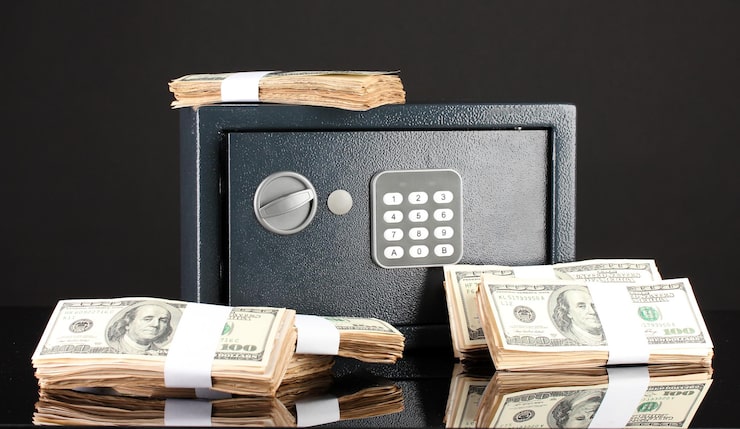

Payment providers don’t only look at sales volume. They also look at risk. If your company faces chargebacks, refunds, delayed delivery, or strict industry rules, the provider may ask for extra financial protection before approving your account.
That protection usually comes in two forms. One is rolling reserve. The other is a security deposit.
Both sound similar, isn’t? But they’re not.
In the middle of merchant account negotiations, knowing rolling reserve vs security deposit helps you know what money gets held, when it returns, and how it affects daily cash flow. For merchants, this is not a small detail hidden in paperwork. It can determine how much working capital stays available after every transaction.
FirmEU works with merchants that need clearer payment alignments, especially when account terms feel hard to read. The aim is easy: help companies understand what they are agreeing to before payment processing begins.
Not sure how reserve terms could affect your cash flow?
Understanding the difference between rolling reserves and security deposits can help you plan payouts, protect working capital, and choose payment terms that suit your business.

What Is Rolling Reserve?
A rolling reserve is a percentage of your card sales that the payment provider holds for a set period. The provider releases the money later, usually after 90, 120, or 180 days, relying on your agreement.
Here is an easy example: a merchant processes €100,000 in one month. The provider applies a 10% rolling reserve for 180 days. That means €10,000 gets held. After the reserve period ends, the provider starts releasing those funds on a rolling schedule.
So money keeps moving. New reserves are accumulated through new transactions, whereas old reserves are released once the agreed period of time elapses. “PayPal explains that a rolling reserve is a percentage of transaction volume that is reserved and then released at a later date.”
This structure is employed by the payment processors in anticipation of any future dispute, refund, or chargeback claims. Rather than demanding a single upfront payment, reserves are generated from your sales transactions. It may seem simpler initially, but it leaves you with less working capital each day - something worth planning for if you're already managing chargeback exposure in your industry.
What Is a Security Deposit?
A security deposit works differently. The merchant gives the provider a fixed amount before or during account approval. The provider keeps that amount as protection against future losses.
Think of it like a cash guarantee.
In case there are any chargebacks, outstanding fees, fraud, or account closing problems for the merchant, the provider will use this deposit to recover its losses. In case there are no problems with the account, the provider will refund this money to the client after some time or at the end of the relationship.
A security deposit doesn’t usually change with daily sales. That makes it more predictable. You know the amount upfront. However, it can be painful because the money leaves your working capital immediately.
For a small business, a €20,000 deposit may feel heavier than a 10% reserve spread across several months. For a larger business, the opposite may be true.
FirmEU aids merchants in analyzing such clauses. While deposit might seem a straightforward concept, the main issue is whether all the parameters connected with this term fit the merchant's business model.
Rolling Reserves on Merchant Accounts
Payment providers often apply Rolling Reserves on Merchant Accounts when they want flexible protection tied to sales activity. This model works well for providers because the reserve grows as merchant volume grows.
The logic is clear. If a business processes more payments, the provider faces more possible disputes. A reserve linked to sales volume gives the provider a moving safety net.
According to Stripe, reserve size may be influenced by risk factors, including industry dynamics, payment volume, refund rates, dispute rates, and stability. The company also states that the use of either fixed reserves or rolling reserves depends on the type of account.
From the merchant's perspective, the problem is one of timing. Even if you have made some sales today, you will not get the whole amount right away.
This matters even more for businesses with thin margins. A 10% reserve may look manageable on paper. Yet if your profit margin is only 12%, the holdback can squeeze your cash flow fast.
When Payment Providers Ask for a Security Deposit
A payment provider may ask for a security deposit when it wants protection before processing begins. This often happens when the business has no processing history, weak financial records, high average ticket sizes, or a product model that creates refund exposure.
Security deposits also appear when the provider wants a fixed safety cushion instead of collecting money from every transaction.
That can happen in businesses with seasonal sales — travel businesses are a good example. A merchant may process most sales during two busy months. A rolling reserve may build too slowly before risk peaks. In that case, the provider may ask for a fixed deposit to cover possible future claims.
A security deposit can also support account approval when the merchant looks risky but still has a strong business case. The provider may say, “We can approve you, but only with added protection.”
This is where merchants need to read every line. When does the deposit return? Can the provider deduct fees from it? What happens if the account closes? Is there a review date?
Small details matter here.
Why High-Risk Merchants Face These Terms
Some industries carry more payment risk than others. That doesn’t mean every merchant in those industries does poor business. It means payment experts expect more possible losses.
Companies may fall into high-risk merchant accounts because of chargeback history, card-not-present sales, future delivery, recurring billing, regulated products, adult services, travel, gaming, CBD, crypto, or high-ticket transactions.
The major concern for providers is liability. In case the customer disputes payment and the merchant fails to pay back, the provider is at risk. The reserve and deposit will help in mitigating that risk.
This is also why two similar companies may receive different terms. One may get a 5% reserve for 90 days. Another may face a 15% reserve for 180 days. The difference often comes from processing history, refund levels, business documents, and how clearly the risk profile is presented.
FirmEU supports companies in preparing solid account profiles, so providers can review the real company instead of making fast assumptions based on industry level. This is especially relevant for MSBs and other regulated sectors where documentation carries extra weight.
Key Difference Between Both Models: Rolling Reserve vs Security Deposit
The biggest difference is how the money gets held and how it affects business cash flow.
A rolling reserve may feel simpler at the beginning because the merchant does not pay a large amount upfront. However, it can slowly reduce working cash as sales grow.
A security deposit gives more certainty because the amount is clear from the start. Still, it can block crucial funds that the business may need for stock, payroll, or marketing.
So, neither option is automatically better. The right choice relies on your margins, refund risk, sales cycle, and how much cash your company can safely lock away.
How These Terms Affect Cash Flow
Cash flow takes the first hit when a provider holds merchant funds. A business may show strong sales on paper, yet still struggle with daily expenses because part of its revenue is not available.
- Poor Planning Creates Pressure
A merchant may process high sales but still struggle to pay suppliers on time. This happens because a part of each payout sits with the payment provider. So the numbers look good, but the working cash feels low. That gap can confuse business owners if they only track sales and ignore held funds.
- Rolling Reserves Grow With Sales
Rolling reserves can become tougher to manage when sales increase. If the provider holds 10% from every transaction, higher sales also mean higher held funds. That's not always bad, but it needs planning. Before running larger campaigns or entering new markets, merchants should calculate how much cash will remain after the reserve deduction — particularly for e-commerce businesses scaling quickly across markets.
- Security Deposits Lock Cash Upfront
There is an alternative system that works quite differently. After the security deposit is placed, daily earnings become more organized as the service provider no longer has to take off money from each transaction. However, the security deposit remains beyond the reach of the business.
- FirmEU Helps Review the Real Cost
The FirmEU solution allows the merchants to have a chance to assess these payment terms prior to having any problems with cash flow. While the deposit appears to be straightforward in the contract, the actual cost of it is defined by release time, amount, volume of sales, and margins of the business. Merchants should understand it before signing the contract.
What Merchants Should Review Before Signing
Do not look only at the reserve percentage. Look at the whole structure.
A 5% reserve for 180 days may hurt more than a 10% reserve for 60 days. A small deposit with unclear release terms may create more trouble than a larger deposit with a clear review date.
There are four aspects that merchants have to examine carefully.
- First, it is the holdback percentage. What is the amount of money kept by the provider?
- Second, it is the release schedule. When will the money be released back?
- Third, it is the triggering provisions. Is it possible for the provider to raise the reserve following chargebacks?
- Fourth, it is the closure conditions. How long can the funds be held in case of account closure?
These aspects determine your actual time to money. They also help to understand if the provider knows your business or just protects itself.
Can Merchants Negotiate Better Terms?
Yes, but not by guessing.
Merchants require evidence. The provider can decrease the reserve if the business proves to have low chargebacks, a good refund policy, proper financial documentation, steady transaction flow, and proper compliance documentation.
An improved application form will also work. If the provider gets the details about the business right from the start, it will feel more comfortable providing better terms.
Merchants can also request a scheduled reserve reduction. For instance, the deal can provide a six-month clean processing period, which will be followed by the reserve review. This is a strategy worth discussing when you first choose the right payment processor for your business model, rather than after terms are already locked in.
Do not consider the initial offer as your last one. Payment terms usually get changed once the merchant offers more accurate data. FirmEU will help the merchants with collecting information about their accounts, comparing the requirements of providers, and creating payment profiles.
How FirmEU Helps Merchants Prepare
Many merchants only notice reserve terms after approval. By then, they feel stuck. They need payment processing, so they accept whatever appears in the contract.
That is risky. FirmEU helps companies review account management needs before they commit to a provider. This includes looking at processing type, size of payment, refund exposure, regions, settlement needs, and cash flow limits.
For merchants in regulated or high-risk sectors, we help connect them with payment providers that understand their company model, including support through our high-risk payment processing setup guide. That matters because the wrong one may provide harsh terms simply because it doesn't want the risk.
A good match can lead to cleaner onboarding, clearer reserve terms, and fewer surprises later. No merchant wants to learn about a 180-day fund hold after payouts slow down. FirmEU brings structure to that process.
Final Thoughts
To conclude, understanding rolling reserve vs security deposit helps merchants protect cash flow before payment terms create pressure. Rolling Reserve distributes the holdback into future transactions, while the Security Deposit ensures a certain sum upfront. While both serve the same purpose of protecting providers, they impact merchants differently.
When it comes to risky businesses, choosing the appropriate account configuration is important. The FirmEU platform allows merchants to evaluate the payment terms, create more effective profiles, and work with providers who are familiar with their business type. It is much less stressful.
Worried about cash flow from reserve terms?
The right payment structure can provide clearer payouts and better cash-flow control while matching your business risk and transaction volume.



FAQs
What is a rolling reserve?
A rolling reserve is a percentage of each transaction that a payment provider holds for a set period. The provider releases the money later according to the agreement.
What is a security deposit in merchant processing?
A security deposit is a fixed amount held by the provider to cover possible chargebacks, refunds, unpaid fees, or future account losses.
Which is better, a rolling reserve or a security deposit?
Neither is always better. A rolling reserve affects daily payouts, while a security deposit affects upfront cash. The right option depends on cash flow and risk level.
Why do high-risk merchants face reserves?
High-risk merchants face reserves because providers expect more chargebacks, refunds, fraud claims, or regulatory issues. Reserves help providers cover possible losses.
Can FirmEU help merchants review reserve terms?
Yes. FirmEU helps merchants review payment account terms, understand reserve structures, and connect with providers that fit their business model and risk profile.
No. FirmEU is not a bank or financial institution. We operate as an independent matchmaking platform, connecting businesses with verified financial partners. All onboarding, KYC, and approval decisions are handled directly by the financial institution.
Still Have Questions?
Our sales team would be more than happy to assist with any futher inquiries



Contact Us

International Payment Solutions
Find the Right Banking and Payment Processing Partner for Your Business
Tell us about your company, and we’ll match you with the most suitable global banking or payment providers from our verified network.
Get Matched